So, we made a thing:
Let’s back up: for as long as I can remember, I’ve been obsessed with computers, fascinated not just by what they can do but what they could become. Like many, I took my early inspiration from science fiction. I dreamed of someday having something like the Enterprise’s computer. And why not? Science fiction has always driven scientists, engineers, and inventors to create real things that change the world.
As the years went by we got some of the futuristic stuff we dreamed about: a global information network, powerful mobile devices, interactive touch surfaces. But our computers? They stayed stuck, not intelligent but stubbornly dumb, unaware of us and our needs.
Then along came LLMs. It seemed immediately obvious to me that the real breakthrough of this newest wave of AI wasn’t what it could generate, but rather all the things it could now understand. While I was still at Mozilla I wrote and spoke about the inevitable, exciting consequences: the collapse of today’s computing stack and the chance to create something even better in its place. It seemed certain I was finally going to get my Enterprise computer, or at least something like Apple’s fictional Knowledge Navigator.
But that’s not what happened. Instead, we immediately started grafting AI on top of the same interfaces we’ve already been using for over 40 years. Suddenly, every app has its own separate AI sidebar or copilot, each of them slightly different in capability or scope. Meanwhile we’re burning megawatts of power to have intelligent agents… uh, move mouse pointers around our screens and click on things?
The problem is that we’re just building hybrid cars. That is, we’re taking a mature but largely played-out platform (the GUI) and bolting on a new technology (AI) in order to wring out every last drop of additional value that we can.
Hybrid cars have their place. You can sell a lot of them. But they aren’t the future; they are at best a bridge to it. They are the obvious thing that you build when you don’t want to actually change anything.
It’s time to start building EVs. We need to stop stubbornly clinging to today’s computing stack and its metaphors, and create something that’s native to the world we now actually live in. Until we make that jump we’ll never fully realize the potential and power of a computer that can understand us and our needs. And until we can demonstrate a positive, optimistic vision for AI in our daily lives, people will rightfully continue to be skeptical of it.
That’s the mission of my new startup, Telepath. We’re building that metaphorical EV: the software stack for a new kind of computing experience, freed from decades of accrued assumptions, powered at its core by machine intelligence but employed in the service of individuals. We aren’t really an “AI company”, and we aren’t chasing AGI. We see AI as normal technology, just one that carries an unusual level of both promise and peril. Used wisely and responsibly, this technology has the potential to elevate our computers and unlock a revolution even greater and more exciting than the move from CLI to GUI forty years ago.
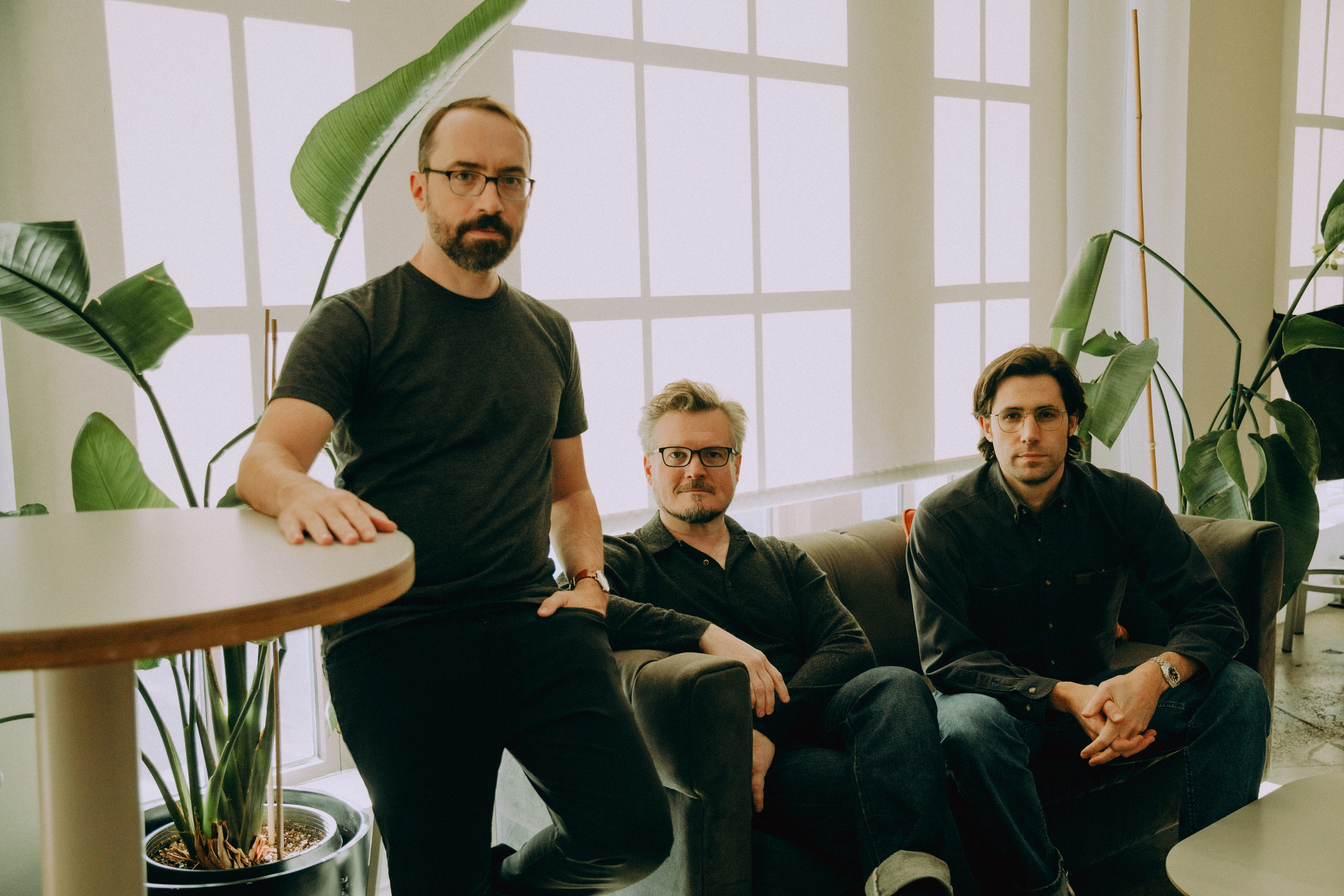
I’m proud to be taking this journey with my brilliant friends and co-founders Josh Whiting and Rupert Manfredi. We all worked together at Mozilla, where I led open source AI and founded projects like Llamafile. Between us we have five startups worth of founding experience, and companies like Google, Adept, Mozilla, and Yahoo under our belts. We have a clear vision of the future (you can get a sneak peek of it here) and a plan for getting there. Our investors include Betaworks, True Ventures, Mozilla Ventures, RRE, Fermont Capital, Joshua Schachter (del.icio.us), Thomas Wolf (Hugging Face), and Ari Weinstein (OpenAI), with more to be announced soon.
If you share our optimism about the future of computing, I hope you’ll join our waitlist and keep tabs on our progress.